
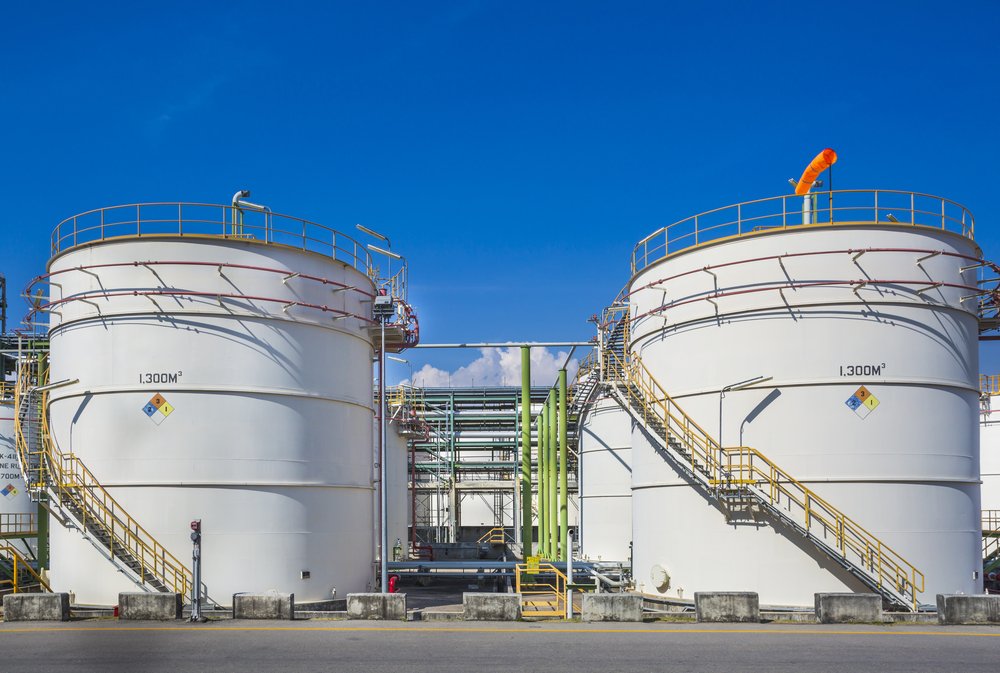
2 Types of the Roof Storage Tanks in Oil and Gas Industry
  • admin
  • November 20, 2018

2 Types of the Roof Storage Tanks in Oil and Gas Industry

The oil and gas industry needs reliable storage solutions. Storage tanks hold crude oil, petroleum products, chemicals, and other liquids before processing or transportation.

However, every product has different storage needs. Therefore, tank design plays an important role. The right oil and gas storage tank can improve storage efficiency and help control vapor losses.

Tank owners should consider several factors before choosing a tank. These include product type, capacity, temperature, pressure, site conditions, and safety requirements.

What Are Roof Storage Tanks?

Roof storage tanks hold liquids in aboveground storage systems. These tanks use different roof designs based on the stored product and operating conditions.

Two common options include:

  • Floating roof storage tanks
  • Fixed roof storage tanks

Each design offers different advantages. Therefore, operators should match the tank roof with the specific storage application.

For applicable welded storage tanks, API 650 provides requirements for areas such as design, materials, fabrication, erection, and inspection. However, project requirements can vary based on the tank and its intended service.

1. Floating Roof Storage Tanks

A floating roof storage tank has a roof that rests on the stored liquid. The roof moves as the liquid level changes.

This design reduces the open vapor space above the liquid. As a result, it can help reduce evaporative losses in suitable applications.

Floating roof tanks often serve petroleum and other products that require vapor control. Moreover, operators can select different floating roof designs based on tank size and operating needs.

Two common designs include pontoon roofs and double-deck roofs.

Pontoon Floating Roof

A pontoon roof uses buoyant compartments around the roof structure. These compartments help the roof float on the liquid surface.

As the liquid level changes, the roof moves with it. Consequently, the tank can maintain a smaller vapor space above the product.

This design can help reduce product evaporation. It can also support better vapor management.

However, proper design and maintenance remain essential. Operators should inspect roof seals, drains, and other components regularly.

Double-Deck Floating Roof

A double-deck floating roof uses two steel decks. An enclosed space separates the decks across the roof structure.

This design provides additional buoyancy and structural support. Furthermore, the enclosed space can provide thermal benefits.

Double-deck roofs can suit large storage tanks. They can also work well when operators need a robust floating roof system.

Nevertheless, proper inspection remains important. Operators should check the roof structure, seals, drainage system, and related components.

2. Fixed Roof Storage Tanks

A fixed roof storage tank has a permanent roof attached to the tank shell. Common designs include cone roofs and dome roofs.

Unlike a floating roof, a fixed roof does not move with the liquid. Therefore, the tank maintains vapor space above the stored product.

Fixed roof tanks can support many industrial storage applications. However, operators must consider product characteristics, temperature, pressure, and venting requirements.

How Do Fixed Roof Tanks Control Pressure?

Tank filling, emptying, and temperature changes can affect internal pressure. Therefore, fixed roof tanks need suitable venting systems.

Pressure-vacuum vents can help manage pressure and vacuum conditions. These devices allow the tank to operate within its intended pressure range.

Proper venting also helps protect the tank structure. For this reason, engineers should select the venting system according to the tank design and operating conditions.

How Do Oil and Gas Tanks Handle Fire Risks?

Fire protection plays an important role in oil and gas storage facilities.

Depending on the product and facility design, operators may use foam systems and other fire-protection equipment.

However, every facility has different requirements. Therefore, engineers should design fire-protection systems according to applicable codes, standards, and site conditions.

What Is Inert Gas Blanketing?

Some storage tanks use inert gas blanketing to control the atmosphere inside the tank.

An inert gas system reduces oxygen in the tank vapor space. As a result, it can help reduce the risk of forming a flammable mixture under suitable conditions.

The correct system depends on the stored product and operating environment. Therefore, tank owners should evaluate these factors before selecting an inert gas system.

Floating Roof vs. Fixed Roof Tanks

Both roof designs can serve important industrial applications. However, the right choice depends on the storage requirements.

Consider these factors before selecting a tank:

  • Type of stored product
  • Tank capacity
  • Product vapor pressure
  • Operating temperature
  • Required vapor control
  • Site conditions
  • Maintenance requirements
  • Safety requirements
  • Applicable industry standards
  • Project specifications

For example, a floating roof can help reduce vapor space. Therefore, it may suit products where vapor control matters.

On the other hand, a fixed roof can support many applications that require a permanent roof and suitable venting.

How Do You Choose the Right Storage Tank?

Start with the stored product. Next, evaluate the operating conditions and required capacity.

Then, consider vapor control, safety, maintenance, and site requirements. Finally, review the applicable engineering standards.

A professional tank manufacturer can help evaluate these factors. This approach can help you select a storage solution that matches your application.

GSC Tanks provides industrial storage solutions for several industries. These include oil and gas, chemical processing, agriculture, food and beverage, mining, power, and municipal water and wastewater.

You can also learn more about the features of industrial storage tanks to understand the factors that can affect tank performance and selection.

Conclusion

Roof design can affect storage performance, vapor control, maintenance, and safety.

Floating roof tanks can help reduce vapor space for suitable products. Meanwhile, fixed roof tanks can provide a practical solution for many other applications.

Therefore, choose the tank design based on your product, operating conditions, capacity, and project requirements. A properly selected storage tank can support safe and efficient industrial operations.


  • Industrial tanks
  • roof storage tanks
  • Storage tanks

Subscribe to Newsletter