
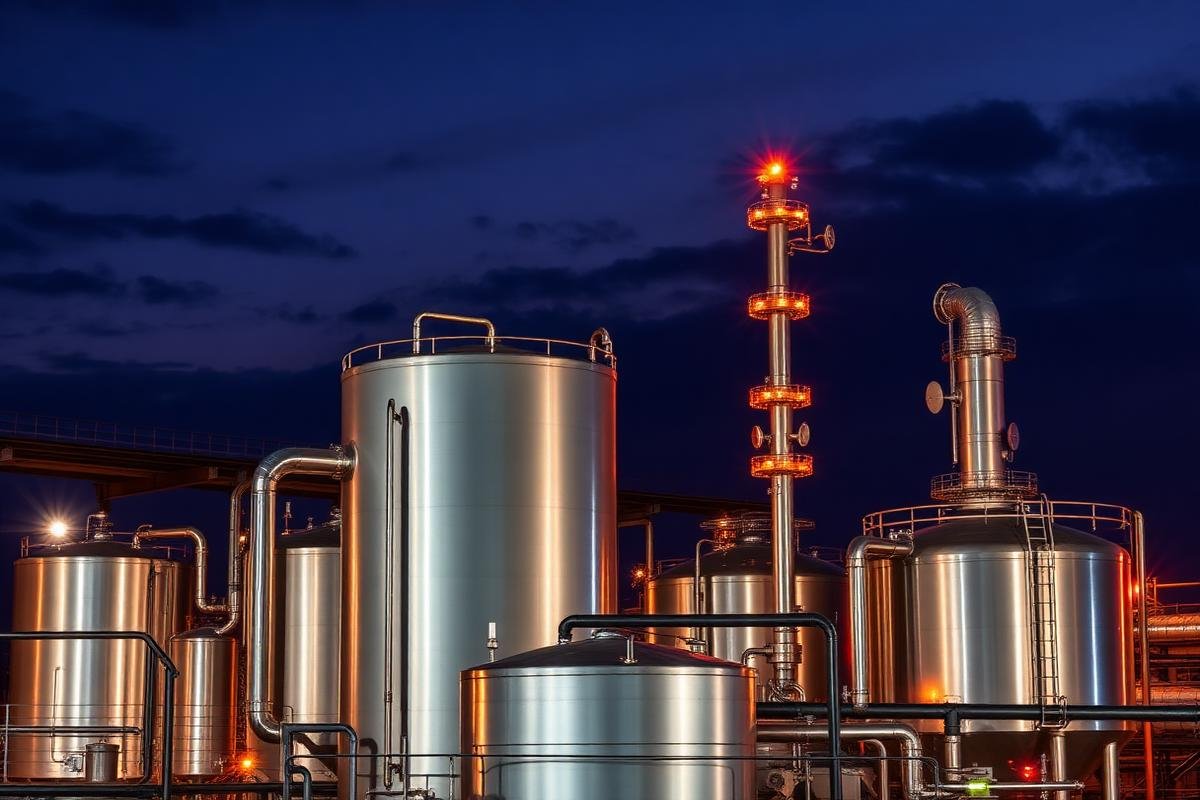
Chemical
FRP Storage Tanks
12 × 25,000 galChallenge
Aggressive sodium hypochlorite service with strict outdoor durability.
Result
Dual-laminate FRP, 25-year design life, on-schedule commissioning.
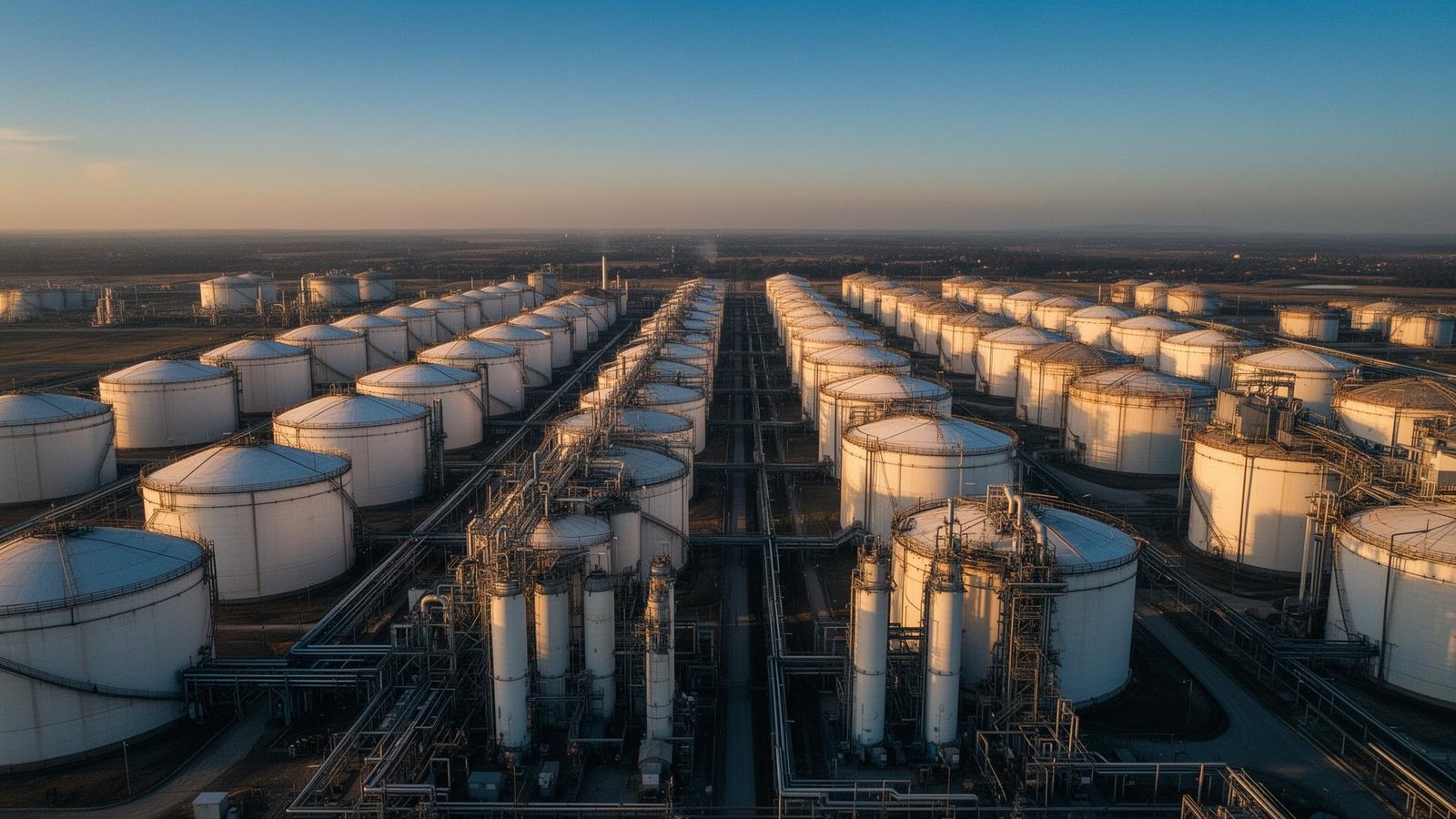
Custom-designed storage tanks, vessels, and silos for chemical processing, water treatment, industrial manufacturing, agriculture, food, and energy sectors.
From compact polyethylene tanks to field-erected steel structures, every system is engineered to your specifications and certified to applicable standards.
The widest selection and largest capacities of industrial vertical, cone bottom and horizontal tanks for chemical and industrial…
Learn More
Filament wound fiberglass tanks manufactured from the industries highest quality vinyl ester, polyester and specialty resins. Available in…
Learn More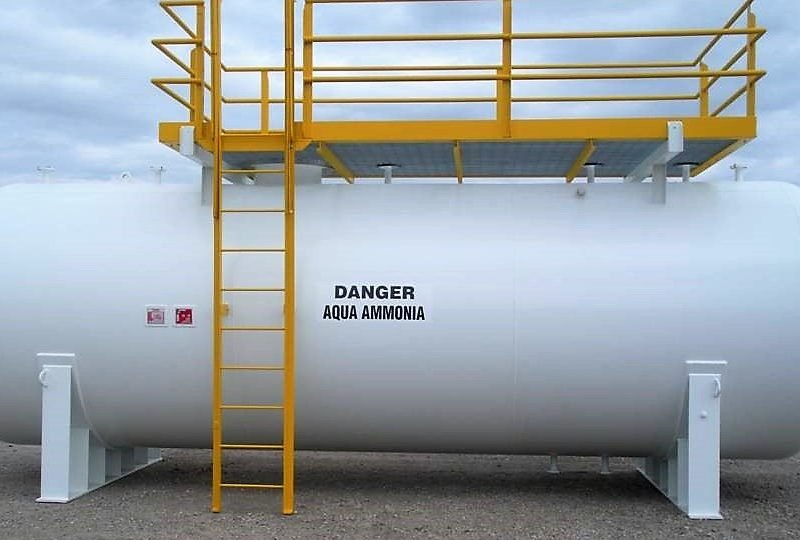
Carbon Steel, Stainless Steel and Alloy tanks manufactured to ASME, API and UL Specifications for atmospheric and pressure…
Learn More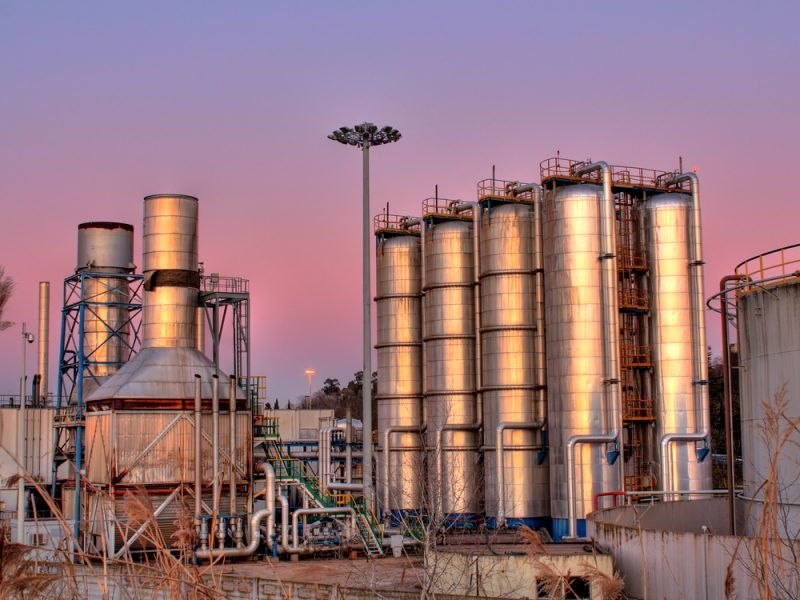
Large diameter steel, stainless steel and reinforced concrete tanks and silos safely manufactured on site.
Learn MoreTwo decades of cross-industry experience. Our applications engineers translate process requirements into compliant, long-life storage systems.
We don't just sell tanks. We engineer storage systems that meet your code, your chemistry, and your timeline — and we stand behind every weld.
In-house mechanical & process engineers with decades of tank design experience.
Built to your capacity, material, pressure, and code requirements.
Compliant fabrication, full documentation, and traceable materials.
Coordinated logistics, field erection, and commissioning across the U.S.
Material and lining recommendations matched to your service conditions.
Inspections, recoating, repairs, and lifecycle support.
A selection of recent installations across chemical, municipal, and agricultural sectors.
Aggressive sodium hypochlorite service with strict outdoor durability.
Dual-laminate FRP, 25-year design life, on-schedule commissioning.
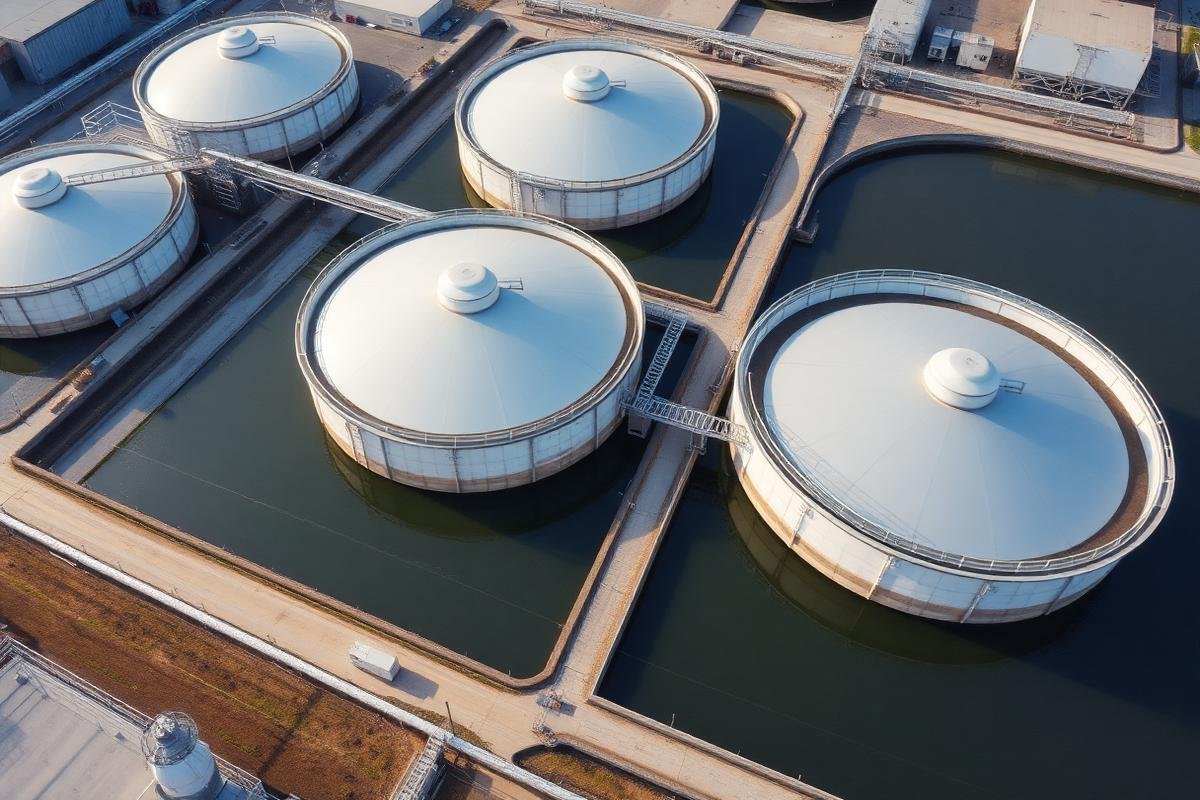
Potable water reservoir with NSF-61 coating and seismic Zone 4.
API 650 build, AWWA D100 coating, delivered 4 weeks ahead.
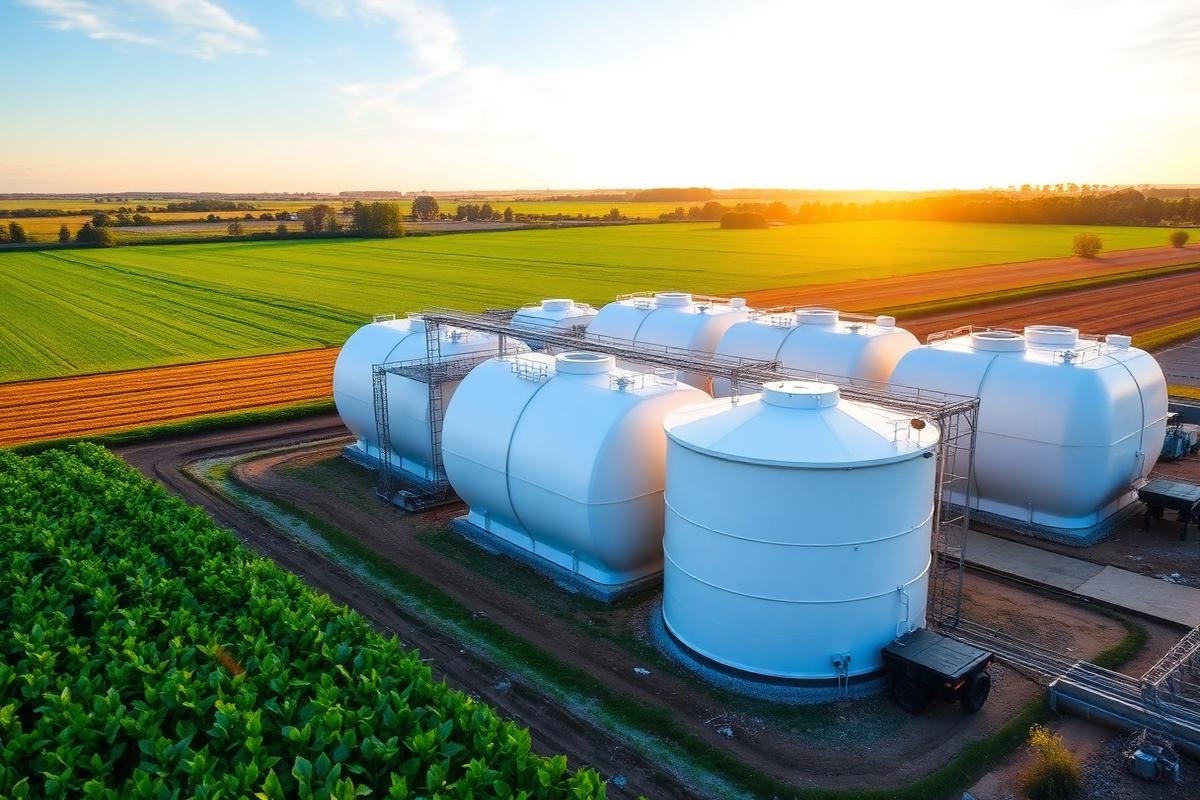
Liquid fertilizer storage with rapid deployment ahead of season.
Glass-fused bolted tanks, installed across 3 states in 90 days.
Every GSC tank ships with full documentation: material test reports, weld procedures, hydrostatic test certificates, and stamped drawings.
Tell us about your service conditions. We'll recommend a material and configuration matched to your industry.
“We have used other manufacturers in the past but nothing compares to the service and technical knowledge we get from GSC tanks, it is the best I have received in years. We have another project coming up and we will be using GSC tanks for that.”

“I am really happy with the excellent quality of GSC tanks. Our new polyethylene tanks was really great value for money and provided exactly what we were looking for. We recommend GSC tanks to others because their product suited our needs and they provided us with great service.”

“GSC tanks took care of us in our time of need and had the best price around. They took very good care of our needs from start to finish as did the crew putting the tank up. GSC tank was also recommended to me by my friend who is also a happy customer of gsc tanks.”

In-depth guides, comparisons, and standards references trusted by procurement managers and plant engineers.
Common questions from plant managers, project engineers, and procurement teams evaluating industrial storage solutions.
The answer may be as simple as a single material recommendation or there may be several materials that may be considered for many liquid or chemical storage requiremenst. We can provide input for comparison that will include initial cost (including tank cost and shipping cost), installation considerations, long term maintenance requirements and expected tank life. GSC Tanks is committed to ensure our customers have the best tank for their storage requirement.
Polyethylene tanks are more affordable than fiberglass, stainless steel, and aluminum tanks. They are the best choice for storing liquids and flammable products. These tanks are light weighted, chemical resistant and durable in nature. Polyethylene tanks will not be affected by sunlight as these are molded with ultra-violate inhibitors. As the tanks are transparent you can actually see the level of liquid through the walls.
Polyethylene tanks are chemical resistant and long lasting in nature. You can store most agricultural and industrial chemicals, high purity chemicals, most types of bio-diesel, various food products, and potable water. You can come across a few limitations, like solvents, gasoline, and surfactants used in different industrial detergents. Please contact us for more information.
Our standard tanks carry a full 2-year warranty and our heavy-duty tanks carry a 4-year full warranty. These warranties do not apply to special applications, such as sodium hypochlorite & bio-diesel.
Yes, all our above ground tanks are API Tested and Certified.
GSC Tanks are designed for burial but standard above ground tanks are not for burial. If you want you can build a vault and install your above tank inside it.
For a full bottom support, you need to ensure that the area is smooth enough to install the tank. A well-constructed concrete pad, capable of supporting contents of the tank is better than any other supports. Other materials like pea gravel or packed sand, flat blacktop or contained have been used successfully.
A regular inspection is always needed. An annual test is required which includes inspecting the tank wall for small stress cracks or damage caused from stresses of loading from piping or valves, checking all fittings to avoid leakage, mechanical wear from mixers or exposed edges where the tank is hanging. You may find liquid but maybe it is not from the tank. Generally, vertical tanks have a convex that pops up in the center. If condensation forms, it tends to move towards the bottom, and underneath the tank. If the tank is filled the bottom flattens out and moisture come out it which seems to be a leakage problem.
Keeping in mind that liquids expand when frozen. GSC Tanks make polyethylene formulated tanks for low-temperature impact resistance.
Generally, for storing hot liquids the common industrial recommendation is not to exceed 140 to 150 degrees. It is found that at 120-degree polyethylene tanks start losing sidewall strength. If you are exceeding 120 degrees you may add a fiberglass reinforcing on the sidewalls which can handle temperature up to 175 degrees.
Life expectancy totally depends upon your application. There are various things which can affect the lifespan of your tank like the chemical being stored, what you are using the tank for and also the temperature. You have to be concerned about the installation process of your tank. The tank needs to be installed on a flat and clean surface. If you install heavy equipment directly on the tank it may cause the tank to fail prematurely. A regular inspection is needed to increase the lifespan of your tank.
Speak directly with a U.S.-based storage tank specialist today. We respond within one business day.