

- GSC Tanks
- June 12, 2026
Chemical Storage Tank Material Compatibility
Choosing the right chemical storage tank goes far beyond selecting a tank size or material. Chemical compatibility plays a critical role in tank performance, safety, regulatory compliance, and service life. Even a well-designed storage tank can fail prematurely if the stored chemical is incompatible with the tank material.
Whether you store acids, caustics, oxidizers, or other industrial chemicals, understanding material compatibility helps reduce corrosion risks, prevent leaks, and protect personnel and the environment. More importantly, selecting the right material can significantly improve long-term reliability and safety.
Moreover, selecting a compatible tank material can help reduce maintenance costs and extend equipment life. As a result, facilities often experience fewer operational disruptions and lower lifecycle expenses.
Key Takeaways
- Chemical compatibility depends on the stored chemical, concentration, temperature, and operating conditions.
- No single tank material works for every chemical application.
- High-density polyethylene (HDPE), fiberglass reinforced plastic (FRP), carbon steel, stainless steel, and specialty alloys each offer unique advantages.
- Engineers should evaluate chemical resistance, temperature limits, specific gravity, and regulatory requirements before selecting a storage tank.
- Secondary containment and applicable industry standards should always be considered during tank design and installation.
What Is Chemical Storage Tank Material Compatibility?
Chemical storage tank material compatibility refers to the ability of a tank material to safely contain a chemical without degrading, corroding, cracking, swelling, or losing structural integrity over time.
Many industrial chemicals interact differently with various materials. As a result, selecting a compatible tank material is one of the most important decisions in any chemical storage project.
For example, a material that performs well with one chemical may not be suitable for another. Furthermore, compatibility can change based on concentration levels, temperature fluctuations, and exposure duration.
Therefore, facility managers and engineers should always evaluate operating conditions before selecting a storage solution.
Why Material Compatibility Matters
Choosing the wrong tank material can create serious operational challenges.
Potential consequences include:
- Premature tank failure
- Chemical leaks and spills
- Increased maintenance costs
- Product contamination
- Regulatory violations
- Environmental damage
- Workplace safety risks
Consequently, compatibility assessments should become a standard part of every chemical storage project.
If you are beginning a storage tank selection process, our guide on how to choose the right industrial storage tank provides additional considerations for evaluating industrial tank systems.
Factors That Affect Chemical Compatibility
For example, a tank material may perform well with one chemical but not another. Therefore, engineers should evaluate each application individually rather than relying on general assumptions.
Chemical Composition
The chemical itself is the primary consideration. Acids, bases, oxidizers, solvents, and salts can affect materials differently.
Chemical Concentration
Compatibility often changes as concentration levels increase or decrease.
For example, a material that performs well with a diluted solution may not be appropriate for a concentrated chemical.
Operating Temperature
Higher temperatures can accelerate chemical reactions and increase corrosion rates. Therefore, temperature should always be evaluated alongside compatibility data.
Specific Gravity
Chemical storage tanks must be designed to withstand the weight of the stored liquid. Higher specific gravity chemicals exert greater stress on tank walls and support structures.
Exposure Time
Continuous exposure may affect materials differently than intermittent exposure. Long-term storage applications often require additional engineering evaluation.
Outdoor Conditions
Ultraviolet exposure, weather conditions, and environmental factors may influence material performance, especially in outdoor installations.
Common Materials Used for Chemical Storage Tanks
Several materials are commonly used in industrial chemical storage applications. Each offers unique advantages depending on the stored chemical and operating environment.
High-Density Polyethylene (HDPE) Tanks
HDPE tanks are widely used throughout the chemical industry because they offer excellent resistance to many acids, bases, and water-treatment chemicals.
Benefits include:
- Corrosion resistance
- Lightweight construction
- Lower installation costs
- Reduced maintenance requirements
- Excellent performance in many chemical applications
HDPE tanks are commonly used for:
- Sodium hypochlorite
- Caustic soda
- Alum
- Various industrial process chemicals
However, compatibility should always be verified for specific concentrations and operating temperatures.
Fiberglass Reinforced Plastic (FRP) Tanks
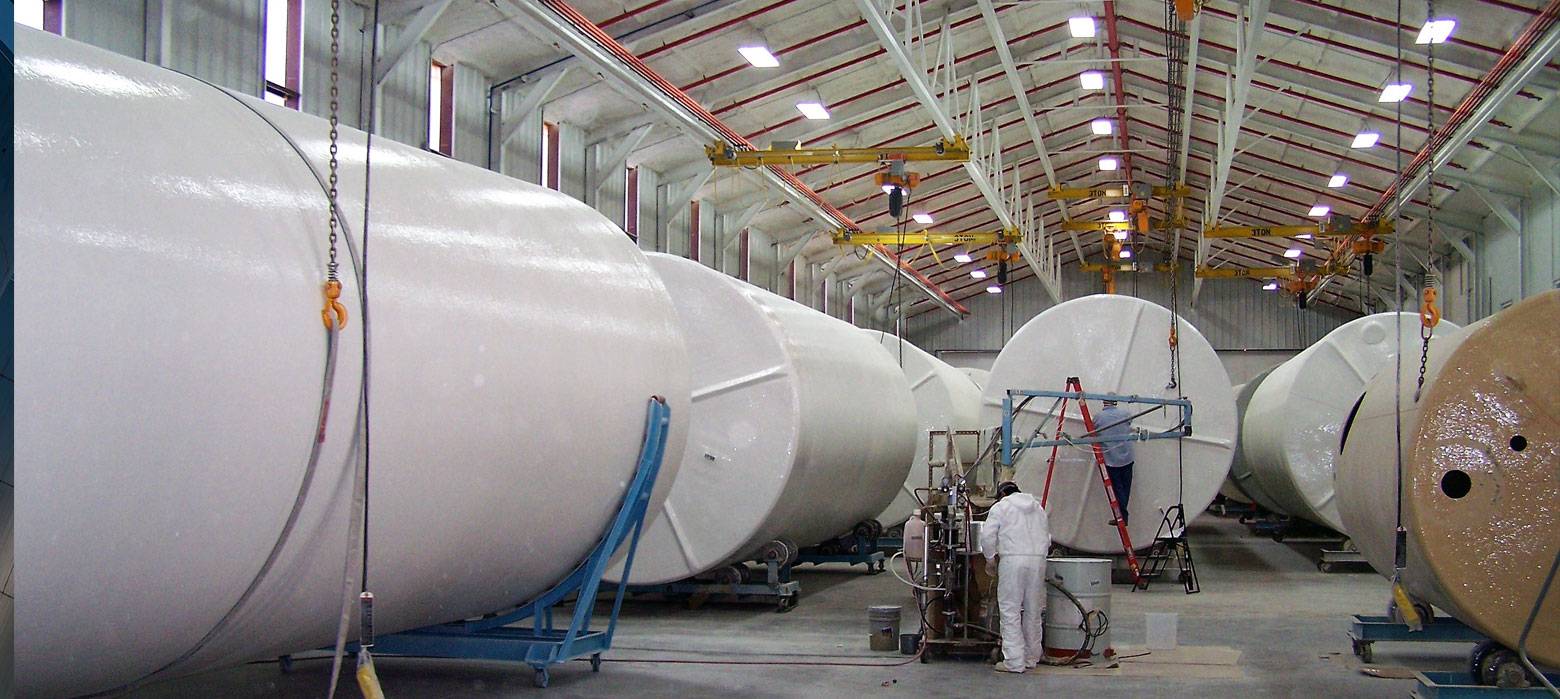
Fiberglass tanks provide excellent corrosion resistance and structural strength.
Many facilities choose FRP tanks for demanding chemical applications because they can be engineered with specialized resin systems designed for specific chemicals.
Advantages include:
- Strong corrosion resistance
- High strength-to-weight ratio
- Long service life
- Excellent outdoor performance
- Custom engineering flexibility
FRP tanks are commonly used in:
- Chemical processing facilities
- Water treatment plants
- Wastewater treatment facilities
- Mining operations
You can learn more about industrial chemical storage tank solutions designed for demanding applications.
Carbon Steel Tanks
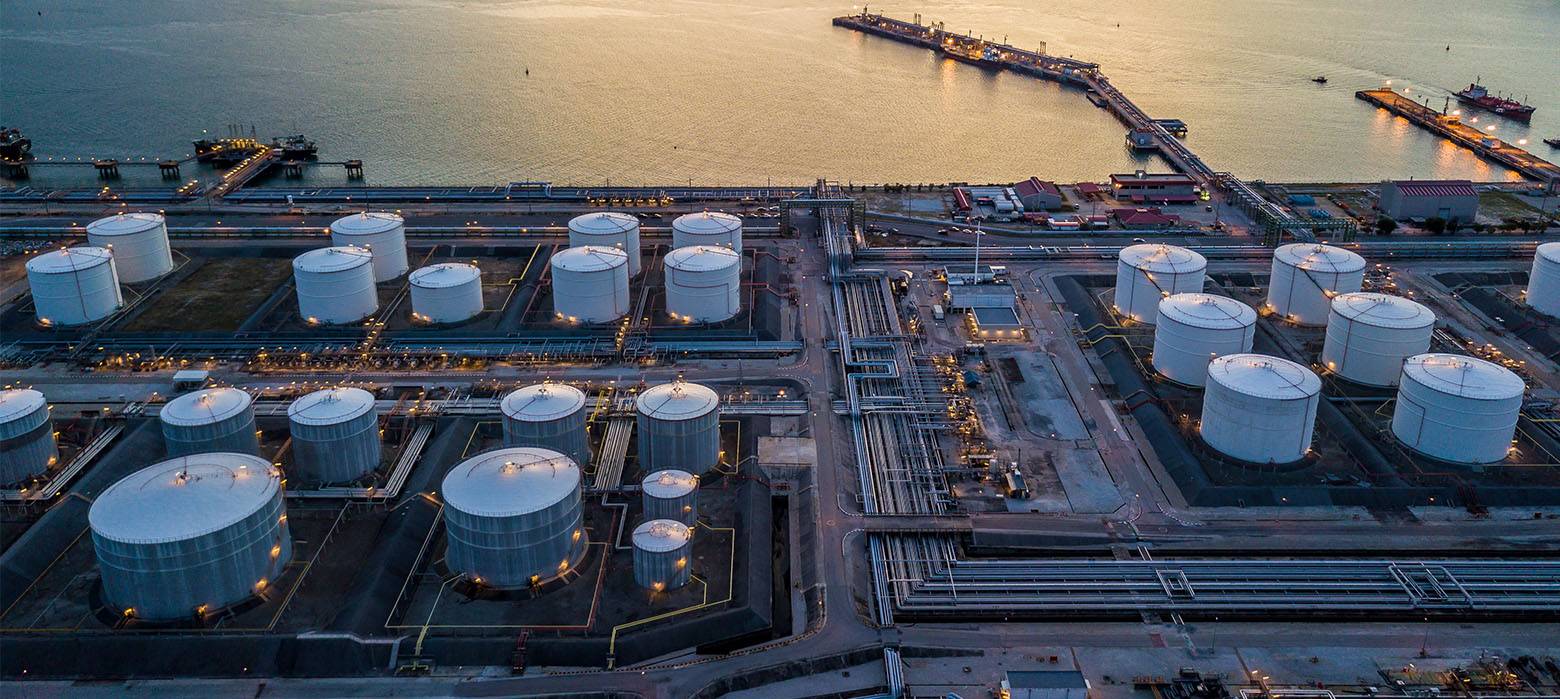
Carbon steel tanks remain popular in many industrial sectors because of their durability and cost-effectiveness.
These tanks are frequently used for:
- Petroleum products
- Process water
- Certain industrial chemicals
- Large-volume storage applications
However, carbon steel may require coatings, linings, or corrosion protection systems depending on the stored product.
Stainless Steel Tanks
Stainless steel provides excellent durability and corrosion resistance for many applications.
Benefits include:
- Excellent cleanliness
- Strong mechanical properties
- Long service life
- Resistance to many industrial chemicals
Industries commonly using stainless steel tanks include:
- Food and beverage processing
- Pharmaceuticals
- Specialty chemical manufacturing
- High-purity applications
Specialty Alloy Tanks
Certain chemical applications require advanced alloy materials.
Engineers may select specialty alloys when:
- Standard materials are unsuitable
- Corrosion resistance requirements are extremely demanding
- Elevated temperatures are present
- Long service life is critical
Although alloy tanks typically involve higher upfront costs, they may reduce long-term maintenance and replacement expenses.
Chemical Storage Tank Material Comparison
| Material | Corrosion Resistance | Weight | Maintenance | Typical Applications |
|---|---|---|---|---|
| HDPE | Excellent for many chemicals | Lightweight | Low | Water treatment, chemical storage |
| FRP | Excellent | Moderate | Low | Industrial chemicals, wastewater |
| Carbon Steel | Moderate | Heavy | Moderate | Process storage, petroleum products |
| Stainless Steel | High | Heavy | Low | Food, pharma, specialty chemicals |
| Specialty Alloys | Very High | Heavy | Low | Highly corrosive applications |
Examples of Common Chemical Storage Applications
Every chemical application requires an individual compatibility evaluation. However, several common examples illustrate the importance of proper material selection.
Sulfuric Acid Storage
Sulfuric acid storage requirements depend heavily on concentration, temperature, and operating conditions.
Therefore, engineers typically evaluate multiple material options before selecting a storage solution.
Hydrochloric Acid Storage
Hydrochloric acid is highly corrosive. As a result, compatibility assessments should consider tank construction materials, fittings, gaskets, and associated piping systems.
Sodium Hypochlorite Storage
Sodium hypochlorite is widely used in municipal water treatment and industrial disinfection processes.
Therefore, material selection should account for chemical degradation characteristics, UV exposure, and storage duration.
Caustic Soda Storage
Caustic soda applications require evaluation of concentration levels, operating temperatures, and long-term exposure conditions.
The Role of Secondary Containment
Secondary containment serves as an additional layer of environmental and operational protection.
Many facilities use secondary containment systems to:
- Reduce spill risks
- Protect surrounding infrastructure
- Improve environmental compliance
- Enhance workplace safety
In addition, double-wall tank systems can provide integrated containment solutions for many chemical storage applications.
As a result, facilities seeking enhanced protection often choose double-wall chemical storage tanks to help reduce the risk of accidental releases and improve environmental protection.
Industry Standards and Compliance Considerations
Chemical storage systems often involve multiple regulatory and engineering requirements.
Depending on the application, organizations may evaluate:
API 650
API 650 provides requirements for welded steel tanks used in atmospheric storage applications.
API 620
API 620 applies to large welded storage tanks designed for low-pressure service.
OSHA Requirements
Employers must evaluate workplace hazards and maintain safe chemical storage practices.
EPA Considerations
Additionally, environmental regulations may require spill prevention planning, secondary containment, and proper storage system management.
Compliance requirements vary by facility, location, and chemical application. Therefore, facility operators should consult applicable regulations during project planning.
Common Mistakes When Selecting Chemical Storage Tanks
Many tank failures stem from preventable mistakes.
Common examples include:
- Focusing only on tank cost
- Ignoring chemical concentration
- Overlooking temperature conditions
- Failing to verify compatibility
- Selecting inadequate secondary containment
- Neglecting future expansion needs
- Underestimating specific gravity requirements
Consequently, these issues can often be avoided through proper engineering evaluation and planning.
How to Choose the Right Chemical Storage Tank
A structured evaluation process helps improve long-term performance.
Step 1: Identify the Chemical
Determine the exact chemical composition and concentration.
Step 2: Review Operating Conditions
Evaluate temperature, pressure, and environmental exposure.
Step 3: Verify Compatibility
Review compatibility data and engineering recommendations.
Step 4: Consider Regulatory Requirements
Identify applicable environmental and safety regulations.
Step 5: Select the Appropriate Material
Choose a material that meets operational, safety, and longevity requirements.
Frequently Asked Questions
What is chemical storage tank material compatibility?
Specifically, it refers to a tank material’s ability to safely contain a chemical without experiencing significant degradation or loss of structural integrity.
Why is compatibility important?
Proper compatibility helps prevent corrosion, leaks, contamination, safety incidents, and premature equipment failure.
What factors affect compatibility?
Specifically, chemical composition, concentration, temperature, exposure duration, specific gravity, and environmental conditions all influence compatibility.
Are HDPE tanks suitable for chemical storage?
HDPE tanks are widely used for many chemical applications. However, compatibility should always be verified for the specific chemical and operating conditions.
What is the benefit of double-wall chemical storage tanks?
Double-wall systems provide an additional layer of containment that can help reduce environmental and operational risks.
Conclusion
Chemical storage tank material compatibility is one of the most important factors in selecting a safe and reliable storage solution. While HDPE, fiberglass, carbon steel, stainless steel, and specialty alloys each offer advantages, no material is universally suitable for every chemical application.
Therefore, facilities should evaluate chemical composition, concentration, temperature, specific gravity, and regulatory requirements before making a final decision.
Therefore, by taking a careful engineering-based approach, organizations can improve safety, extend tank service life, and reduce long-term operating costs. When evaluating a new storage project, partnering with experienced tank specialists helps ensure that the selected solution aligns with both operational needs and compliance requirements.
- Chemical storage tanks and material compatibility
Category
- Above Ground Fuel Tanks
- Above Ground Gas Storage Tank
- Above Ground Storage Tanks
- Above Ground Water Storage Tanks
- Agricultural Tanks
- Chemical storage Tanks
- Diesel Fuel Storage Tanks
- Diesel Storage Tanks
- Exernal FloatingRoof Tanks
- Farm Water Tank
- Fiberglass Oil Tanks
- Fiberglass Septic Tanks
- Fiberglass Tanks
- Fiberglass Underground Fuel Storage Tanks
- Field Erected Tanks
- Floating Roof Tank
- Food and Beverage Tanks
- Fuel tank
- Industrial Chemical Storage Tanks
- Industrial Gas Tanks
- Industrial Hot Water Storage Tanks
- industrial hot water tank
- Industrial Plastic Tanks
- Industrial Storage Tanks
- Industrial Tank heating pads
- industrial tanks
- Natural gas
- Natural gas vs Propane
- oil storage tank
- Oil Storage Tanks
- Peracitic Acid
- Petroleum Tanks
- Residential gasoline storage tanks
- Residential Water Storage Tanks
- Sodium Hydroxide Storage Requirements
- Sodium Hypochlorite Storage Tanks
- Steel Storage Tanks
- storage tank failure prevention
- Storage Tanks
- Sulfuric Acid Tanks
- Uncategorized
- UnderGround Storage Tanks
- Waste water tank
- Water Storage Tanks