

- GSC Tanks
- July 12, 2026
How to Choose the Right Chemical Storage Tank for Your Industry
Choosing the right chemical storage tank is a critical decision for any industrial facility. The tank you select affects safety, efficiency, maintenance costs, and long-term operations.
However, selecting a tank is not only about choosing the right size. You must consider several factors, including chemical compatibility, operating conditions, storage environment, material strength, and industry requirements.
A tank that works well for one chemical may fail when used with another. For example, a tank designed for water treatment chemicals may not perform well when storing highly corrosive acids or aggressive solvents.
Therefore, engineers, facility managers, and procurement teams should evaluate every requirement before investing in a storage solution.
This guide explains how to select the right chemical storage tank for your application. It covers tank materials, design considerations, safety factors, and industry-specific recommendations.
What Is a Chemical Storage Tank?
A chemical storage tank is an engineered container designed to safely store liquid chemicals used in industrial processes. These tanks protect chemicals from contamination while preventing leaks, corrosion, and environmental hazards.
Industries use chemical storage tanks for storing:
- Acids
- Alkalis
- Solvents
- Water treatment chemicals
- Fertilizers
- Cleaning agents
- Industrial process chemicals
Depending on the application, manufacturers build these tanks using materials such as:
- High-density polyethylene (HDPE)
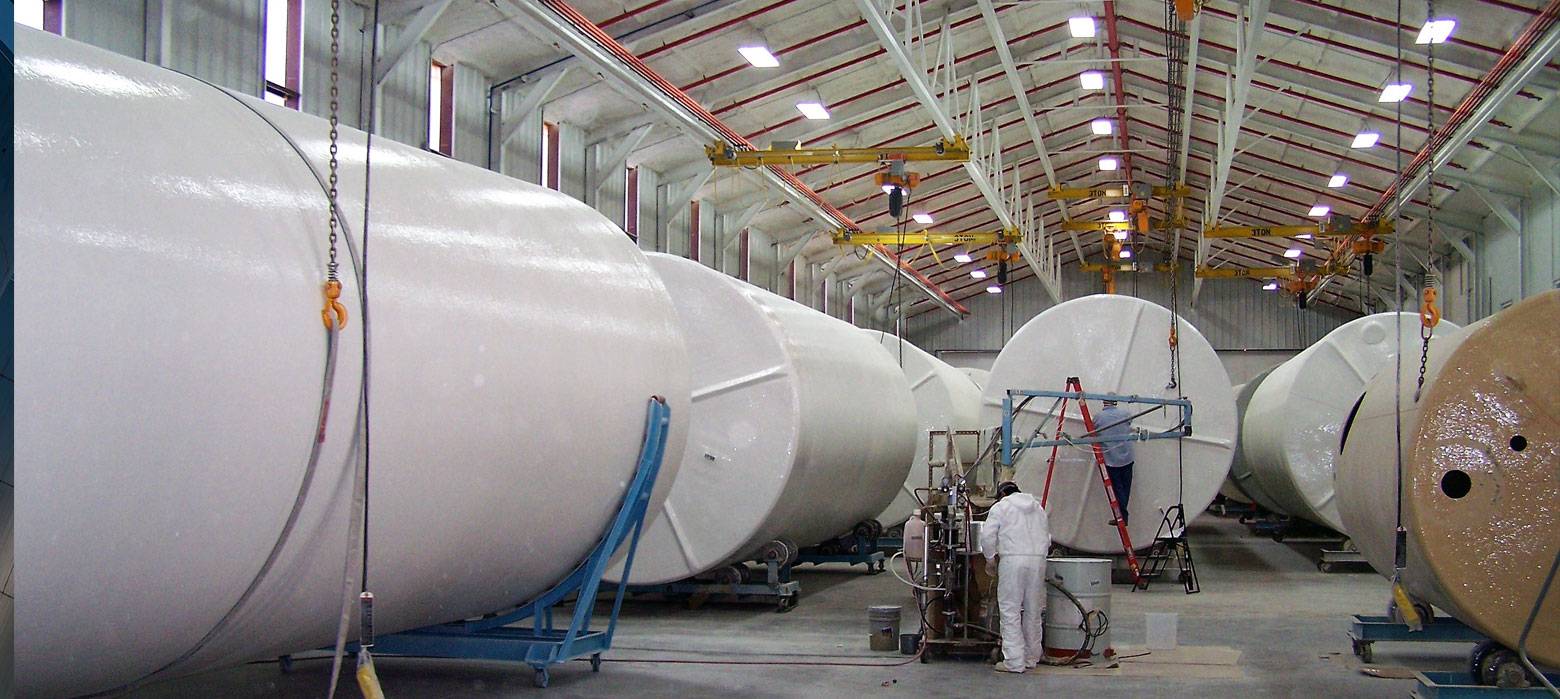
- Fiberglass reinforced plastic (FRP)
- Carbon steel
- Stainless steel
- Specialty alloys
Each material provides different advantages. Therefore, the best tank depends on the chemical properties and operating conditions.
Why Choosing the Correct Chemical Storage Tank Matters
Selecting the wrong tank can create serious operational problems.
For example, chemical incompatibility can cause:
- Corrosion damage
- Tank failure
- Chemical contamination
- Production interruptions
- Increased maintenance costs
- Safety risks
On the other hand, the right storage tank provides:
- Longer service life
- Better chemical resistance
- Reduced maintenance requirements
- Improved workplace safety
- Reliable long-term performance
Moreover, the correct tank selection helps companies comply with industry regulations and maintain efficient operations.
Step 1: Understand the Chemical You Need to Store
The first step in selecting a chemical storage tank is understanding the chemical itself.
Every chemical behaves differently. Therefore, you should analyze its properties before choosing a tank material.
Important chemical factors include:
Chemical Concentration
Chemical concentration directly affects material compatibility.
A diluted chemical solution may work well with one tank material. However, the same chemical at a higher concentration may require a different material.
For example:
- Low-concentration chemicals may be suitable for HDPE tanks.
- Highly concentrated corrosive chemicals may require FRP or specialty alloy solutions.
Chemical Compatibility
Chemical compatibility is one of the most important factors in tank selection.
A compatible tank material resists chemical reactions and maintains structural strength over time.
Before choosing a tank, evaluate:
- Chemical composition
- Corrosion potential
- Oxidizing properties
- Reaction with tank materials
- Storage duration
A professional tank supplier should review compatibility data before recommending a solution.
Specific Gravity
Specific gravity measures the density of a chemical compared with water.
This factor affects tank design because heavier liquids create greater pressure on tank walls.
For example:
- A tank storing water and a tank storing dense industrial chemicals may require different structural designs.
- Higher specific gravity may require reinforced construction.
Operating Temperature
Temperature plays an important role in chemical storage.
Some materials perform well under normal temperatures but lose strength when exposed to extreme heat or cold.
Therefore, consider:
- Normal operating temperature
- Maximum temperature
- Minimum temperature
- Temperature fluctuations
This information helps determine the most suitable tank material.
Step 2: Select the Right Tank Material
The material of construction determines how well your chemical storage tank performs.
The most common options include:
HDPE Chemical Storage Tanks
High-density polyethylene (HDPE) tanks are widely used because they provide excellent corrosion resistance and cost-effective storage.
They are commonly used for:
- Water treatment chemicals
- Agricultural chemicals
- Mild acids
- Cleaning solutions
Advantages:
- Excellent chemical resistance
- Lightweight construction
- Easy installation
- Low maintenance
However, HDPE tanks may not be suitable for extremely high temperatures or certain aggressive chemicals.
Fiberglass Reinforced Plastic (FRP) Tanks
FRP tanks combine fiberglass strength with corrosion-resistant resin systems.
They are often selected for demanding chemical applications.
Common uses include:
- Acid storage
- Industrial processing
- Wastewater treatment
- Chemical manufacturing
Advantages:
- Strong corrosion resistance
- Long service life
- Customizable designs
- Suitable for harsh environments
FRP tanks are especially valuable when chemical exposure creates challenges for traditional materials.
Step 2: Select the Right Tank Material
Choosing the correct tank material is one of the most important decisions in chemical storage. The material must withstand the stored chemical while maintaining structural integrity throughout its service life.
Although many materials can store industrial chemicals, each option has specific strengths and limitations.
Carbon Steel Chemical Storage Tanks
Carbon steel tanks are known for their strength, durability, and ability to handle large-volume storage applications.
Industries often use carbon steel tanks for:
- Fuel storage
- Oil and petroleum products
- Non-corrosive chemicals
- Industrial process applications
Advantages of Carbon Steel Tanks:
- High structural strength
- Suitable for large storage capacities
- Cost-effective for many applications
- Excellent mechanical durability
However, carbon steel is not naturally corrosion-resistant. Therefore, facilities may require protective coatings, linings, or other corrosion-control methods when storing corrosive chemicals.
Stainless Steel Chemical Storage Tanks
Stainless steel tanks are commonly selected when cleanliness, durability, and corrosion resistance are essential.
They are widely used in:
- Food and beverage processing
- Pharmaceutical manufacturing
- Specialty chemical industries
- High-purity applications
Advantages of Stainless Steel Tanks:
- Excellent corrosion resistance
- Easy cleaning and maintenance
- Strong mechanical performance
- Suitable for sanitary applications
However, stainless steel tanks usually have a higher initial investment compared with plastic-based storage solutions.
Therefore, companies should evaluate the total lifecycle cost rather than only the upfront purchase price.
Alloy Chemical Storage Tanks
Some chemical applications require materials that can withstand extremely aggressive environments.
In these situations, specialty alloys may provide the required performance.
Alloy tanks are commonly used for:
- Highly corrosive chemicals
- Extreme temperature applications
- Specialized industrial processes
Advantages of Alloy Tanks:
- Superior chemical resistance
- Excellent performance in demanding environments
- Long operational lifespan
Because alloy selection requires specialized knowledge, companies should consult experienced tank manufacturers before making a final decision.
Chemical Storage Tank Material Comparison
| Tank Material | Common Applications | Main Benefits | Considerations |
|---|---|---|---|
| HDPE | Water treatment, agriculture, mild chemicals | Lightweight, corrosion-resistant, economical | Temperature limitations |
| FRP | Chemical processing, corrosive chemicals | Excellent corrosion resistance, customizable | Requires proper resin selection |
| Carbon Steel | Fuel, industrial liquids, large storage | Strong and durable | Requires corrosion protection |
| Stainless Steel | Food, pharmaceutical, high-purity chemicals | Hygienic and durable | Higher initial cost |
| Alloy | Extreme chemical environments | Maximum resistance | Specialized engineering required |
Step 3: Determine the Required Tank Capacity
After selecting a suitable material, determine the correct storage capacity.
Tank size affects:
- Storage efficiency
- Operating costs
- Facility space
- Chemical handling processes
A properly sized tank should meet current requirements while allowing future operational growth.
When calculating capacity, consider:
Current Chemical Usage
Review your daily, weekly, or monthly chemical consumption.
This helps determine the required storage volume.
Future Expansion Plans
A facility may increase production capacity in the future.
Therefore, selecting a tank with additional capacity can prevent expensive upgrades later.
Safety Volume Requirements
Chemical storage tanks should not always operate at maximum capacity.
Allowing additional space helps manage:
- Thermal expansion
- Chemical movement
- Safe filling levels
Step 4: Evaluate Storage Conditions and Installation Environment
The installation environment directly affects tank performance.
Before selecting a chemical storage tank, evaluate where and how the tank will operate.
Important considerations include:
Indoor vs Outdoor Installation
Outdoor tanks experience additional challenges, including:
- UV exposure
- Temperature changes
- Weather conditions
- Wind loads
For outdoor installations, select materials and designs that can withstand environmental exposure.
Foundation and Support Requirements
A properly designed foundation prevents unnecessary stress on the tank.
Consider:
- Tank weight
- Stored chemical weight
- Ground conditions
- Support structure requirements
A strong foundation improves safety and extends tank service life.
Space Availability
The available installation area affects tank selection.
Consider:
- Tank diameter
- Tank height
- Access requirements
- Maintenance clearance
A technically suitable tank may not work if it does not fit the available space.
Step 5: Consider Temperature and Pressure Requirements
Chemical storage tanks operate under different temperature and pressure conditions.
Therefore, these factors must be evaluated during the design process.
Temperature Considerations
High temperatures can affect:
- Material strength
- Chemical stability
- Tank lifespan
For example, a material suitable for room-temperature chemical storage may not perform effectively in a high-temperature industrial process.
Pressure Considerations
Most chemical storage tanks operate at atmospheric pressure. However, some applications require pressure-rated designs.
Pressure considerations include:
- Internal pressure
- Vacuum conditions
- Chemical vapor generation
- Operating cycles
If pressure requirements exist, engineers should evaluate whether a storage tank or pressure vessel is the appropriate solution.
Step 6: Understand Industry-Specific Requirements
Different industries use chemical storage tanks for different purposes. Therefore, the ideal tank solution depends on the application.
Chemical Manufacturing Industry
Chemical manufacturers often store:
- Acids
- Solvents
- Raw materials
- Process chemicals
These applications usually require excellent corrosion resistance and careful material selection.
FRP, HDPE, stainless steel, and alloy tanks are commonly considered depending on chemical compatibility.
Water and Wastewater Treatment Industry
Water treatment facilities commonly store:
- Sodium hypochlorite
- Ferric chloride
- Chlorine-related chemicals
- Treatment additives
These facilities prioritize:
- Chemical resistance
- Long service life
- Reliable operation
Food and Beverage Industry
Food processing facilities require tanks that support cleanliness and product safety.
Important factors include:
- Hygienic design
- Easy cleaning
- Corrosion resistance
- Material compliance
Stainless steel tanks are frequently selected for these applications.
Agriculture Industry
Agricultural operations use chemical storage tanks for:
- Fertilizers
- Crop protection chemicals
- Liquid nutrients
Tank selection depends on:
- Chemical composition
- Storage duration
- Environmental exposure
HDPE tanks are often suitable for many agricultural chemical applications.
Mining Industry
Mining operations often handle aggressive chemicals used during processing.
Storage tanks must withstand:
- Harsh chemicals
- Outdoor conditions
- Continuous operation
FRP and specialized materials are often considered for these demanding environments.
Power Generation Industry
Power facilities may require chemical storage tanks for:
- Water treatment
- Cooling systems
- Process chemicals
Reliability and long-term performance are critical because equipment failure can interrupt operations.
Safety Standards to Consider When Choosing a Chemical Storage Tank
Safety should always be a priority when selecting a chemical storage tank. A properly designed and installed tank helps protect employees, equipment, and the environment.
Depending on the chemical, location, and application, different safety standards and regulations may apply.
Important considerations include:
Chemical Compatibility Requirements
The tank material must be compatible with the stored chemical. A chemical reaction between the liquid and tank material can weaken the structure and create safety risks.
Always review:
- Chemical composition
- Concentration level
- Operating temperature
- Storage duration
- Material compatibility data
Secondary Containment Requirements
Secondary containment provides an additional layer of protection in case the primary tank experiences leakage.
It helps:
- Prevent environmental contamination
- Protect nearby equipment
- Improve workplace safety
- Support regulatory compliance
Facilities handling hazardous chemicals often use containment systems based on their specific requirements.
Industry Regulations and Standards
Industrial storage tanks may need to follow applicable standards depending on the application.
Common references include:
- API standards for specific above-ground storage applications
- ASME standards for pressure vessels
- ASTM material standards
- OSHA workplace safety requirements
- EPA environmental protection guidelines
The right standards depend on the chemical, tank design, and industry.
Common Mistakes to Avoid When Selecting a Chemical Storage Tank
Choosing a chemical storage tank requires careful planning. However, many facilities make mistakes that lead to higher costs and operational problems.
Here are some common mistakes to avoid:
Choosing a Tank Based Only on Price
The lowest-cost option is not always the most economical choice.
A cheaper tank may require:
- More maintenance
- Frequent replacement
- Additional protection systems
Instead, evaluate the total cost of ownership, including installation, maintenance, and expected service life.
Ignoring Chemical Compatibility
A tank that works for one chemical may fail with another.
Always verify that the selected material can handle:
- Chemical concentration
- Temperature conditions
- Exposure time
- Storage environment
Selecting the Wrong Tank Size
An undersized tank can create operational challenges, while an oversized tank may increase unnecessary costs.
Consider:
- Current storage requirements
- Future expansion
- Chemical usage patterns
- Available installation space
Overlooking Installation Conditions
The installation environment affects tank performance.
Before installation, evaluate:
- Foundation requirements
- Weather exposure
- Accessibility
- Maintenance requirements
Not Consulting Tank Experts
Chemical storage applications can involve complex engineering considerations.
Working with an experienced tank manufacturer helps ensure the selected solution meets operational and safety requirements.
Chemical Storage Tank Selection Checklist
Before purchasing a chemical storage tank, consider the following questions:
1. What chemical will the tank store?
Identify:
- Chemical name
- Concentration
- Corrosiveness
- Compatibility requirements
2. What material is best suited for the application?
Evaluate different options, including:
- HDPE
- FRP
- Carbon steel
- Stainless steel
- Alloy materials
3. What storage capacity is required?
Determine:
- Required volume
- Future expansion needs
- Filling and operating limits
4. What are the operating conditions?
Review:
- Temperature range
- Pressure requirements
- Indoor or outdoor installation
- Environmental exposure
5. Are there specific industry requirements?
Consider:
- Safety regulations
- Material standards
- Installation guidelines
- Compliance requirements
How GSC Tanks Helps Industries Select the Right Storage Solution
Selecting the right chemical storage tank requires more than choosing a container. It requires understanding chemical properties, operating conditions, and long-term performance requirements.
GSC Tanks provides engineered storage solutions for industries that require reliable chemical storage systems. With experience across multiple tank materials, including HDPE, FRP, steel, stainless steel, alloy, and reinforced concrete, GSC Tanks helps customers identify solutions based on their specific applications.
The right storage solution depends on factors such as:
- Chemical compatibility
- Storage capacity
- Operating environment
- Industry requirements
- Long-term performance goals
By evaluating these factors early, companies can improve safety, reduce maintenance requirements, and achieve better operational reliability.
Frequently Asked Questions About Chemical Storage Tanks
What is the best material for a chemical storage tank?
The best material depends on the chemical being stored, operating conditions, temperature, and application requirements. HDPE, FRP, stainless steel, carbon steel, and alloy tanks are commonly used for different chemical storage applications.
How do I choose the right chemical storage tank?
To choose the right chemical storage tank, evaluate chemical compatibility, storage capacity, temperature conditions, installation environment, safety requirements, and industry standards.
Are FRP tanks suitable for chemical storage?
Yes. FRP tanks are widely used for chemical storage because they provide excellent corrosion resistance and can handle many demanding industrial applications.
Can HDPE tanks store corrosive chemicals?
HDPE tanks can store many corrosive chemicals. However, compatibility should always be verified based on the chemical type, concentration, and operating conditions.
How long do chemical storage tanks last?
The lifespan of a chemical storage tank depends on the material, chemical exposure, operating conditions, installation quality, and maintenance practices.
Do chemical storage tanks require secondary containment?
Many chemical storage applications require secondary containment to reduce environmental risks and improve safety. Requirements depend on the chemical, location, and applicable regulations.
What industries use chemical storage tanks?
Chemical storage tanks are used in industries such as:
- Chemical manufacturing
- Water treatment
- Food and beverage
- Agriculture
- Mining
- Power generation
- Oil and gas
Conclusion
Choosing the right chemical storage tank requires careful evaluation of chemical compatibility, material selection, capacity, operating conditions, and safety requirements.
A properly selected tank improves operational efficiency, reduces maintenance challenges, and supports long-term safety.
Because every chemical storage application is different, businesses should evaluate their specific requirements before selecting a tank solution.
With a wide range of storage tank materials and industrial experience, GSC Tanks helps organizations find reliable storage solutions designed for their unique operational needs.
- Choose the Right Chemical Storage Tank
Category
- Above Ground Fuel Tanks
- Above Ground Gas Storage Tank
- Above Ground Storage Tanks
- Above Ground Water Storage Tanks
- Agricultural Tanks
- Chemical storage Tanks
- Diesel Fuel Storage Tanks
- Diesel Storage Tanks
- Exernal FloatingRoof Tanks
- Farm Water Tank
- Fiberglass Oil Tanks
- Fiberglass Septic Tanks
- Fiberglass Tanks
- Fiberglass Underground Fuel Storage Tanks
- Field Erected Tanks
- Floating Roof Tank
- Food and Beverage Tanks
- Fuel tank
- Industrial Chemical Storage Tanks
- Industrial Gas Tanks
- Industrial Hot Water Storage Tanks
- industrial hot water tank
- Industrial Plastic Tanks
- Industrial Storage Tanks
- Industrial Tank heating pads
- industrial tanks
- Natural gas
- Natural gas vs Propane
- oil storage tank
- Oil Storage Tanks
- Peracitic Acid
- Petroleum Tanks
- Residential gasoline storage tanks
- Residential Water Storage Tanks
- Sodium Hydroxide Storage Requirements
- Sodium Hypochlorite Storage Tanks
- Steel Storage Tanks
- storage tank failure prevention
- Storage Tanks
- Sulfuric Acid Tanks
- Uncategorized
- UnderGround Storage Tanks
- Waste water tank
- Water Storage Tanks